







For most of Neurony’s history, we were a custom software development company. A client came to us with a problem, usually already translated into requirements, and our job was to design and build the software well. That model still works. But AI has changed where many of our conversations begin. Before anyone asks “what should we build?”, there is often an earlier and harder question: what should work differently inside the company?
Sometimes the answer is traditional software. Sometimes it is Claude integrated into an existing business process. In other cases, the process itself needs to be redesigned before anyone writes code.
This shift is one of the reasons becoming an Anthropic Select Partner matters to us. It gives external validation to the Claude expertise and production AI work we had already been developing inside Neurony. Eleven people on our team passed Anthropic’s testing, and our production work with Claude was also part of the review. For the companies we work with, that is a clearer signal that our experience goes beyond AI experimentation and includes implementing Claude in real business environments.
What does being an Anthropic Select Partner mean?
Being an Anthropic Select Partner means Neurony is part of Anthropic’s partner ecosystem for companies with demonstrated expertise working with Claude.
For us, it is not simply another technology logo on the website. It reflects technical training, certification and practical experience using Claude in production. It also gives our team a more structured learning path directly from Anthropic.
The partnership includes support around customer deployments, opportunities for joint marketing initiatives, and access to marketing, learning and token budgets that help us keep developing our Claude capabilities.
What does the Anthropic partnership mean for Neurony’s clients?
For the companies we work with, the practical benefit is trust backed by experience.
Working with an Anthropic Select Partner means working with a team whose Claude knowledge has been assessed and that has already taken AI systems into production. That matters most once an AI prototype has to deal with real company data, existing software, business rules, operational constraints and the people who will use it every day.
That is where AI implementation gets harder than choosing a model or building a demo. The real work is understanding the workflow around the model, integrating it with existing systems, and building a path from a promising use case to something that becomes part of daily operations.
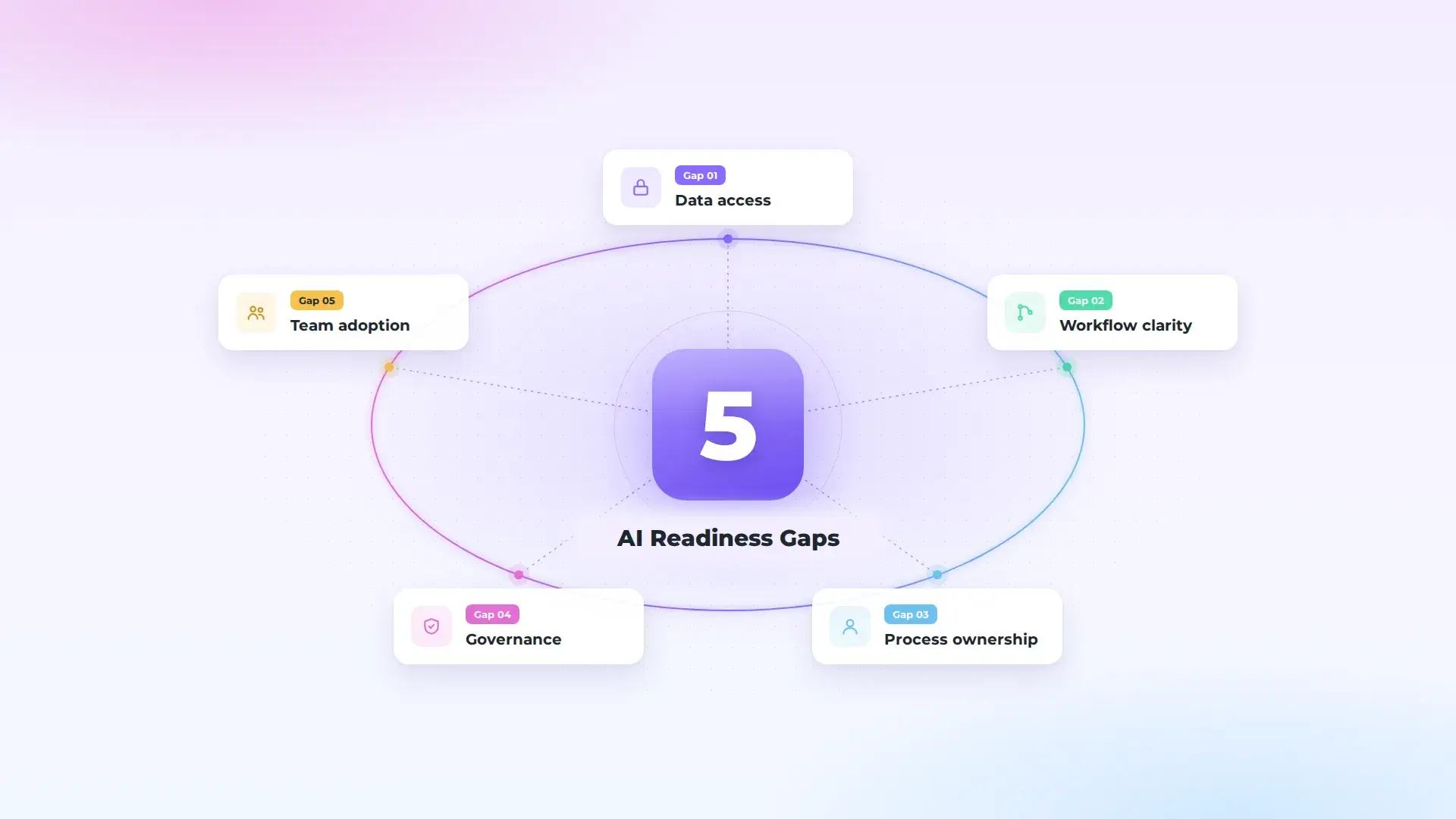
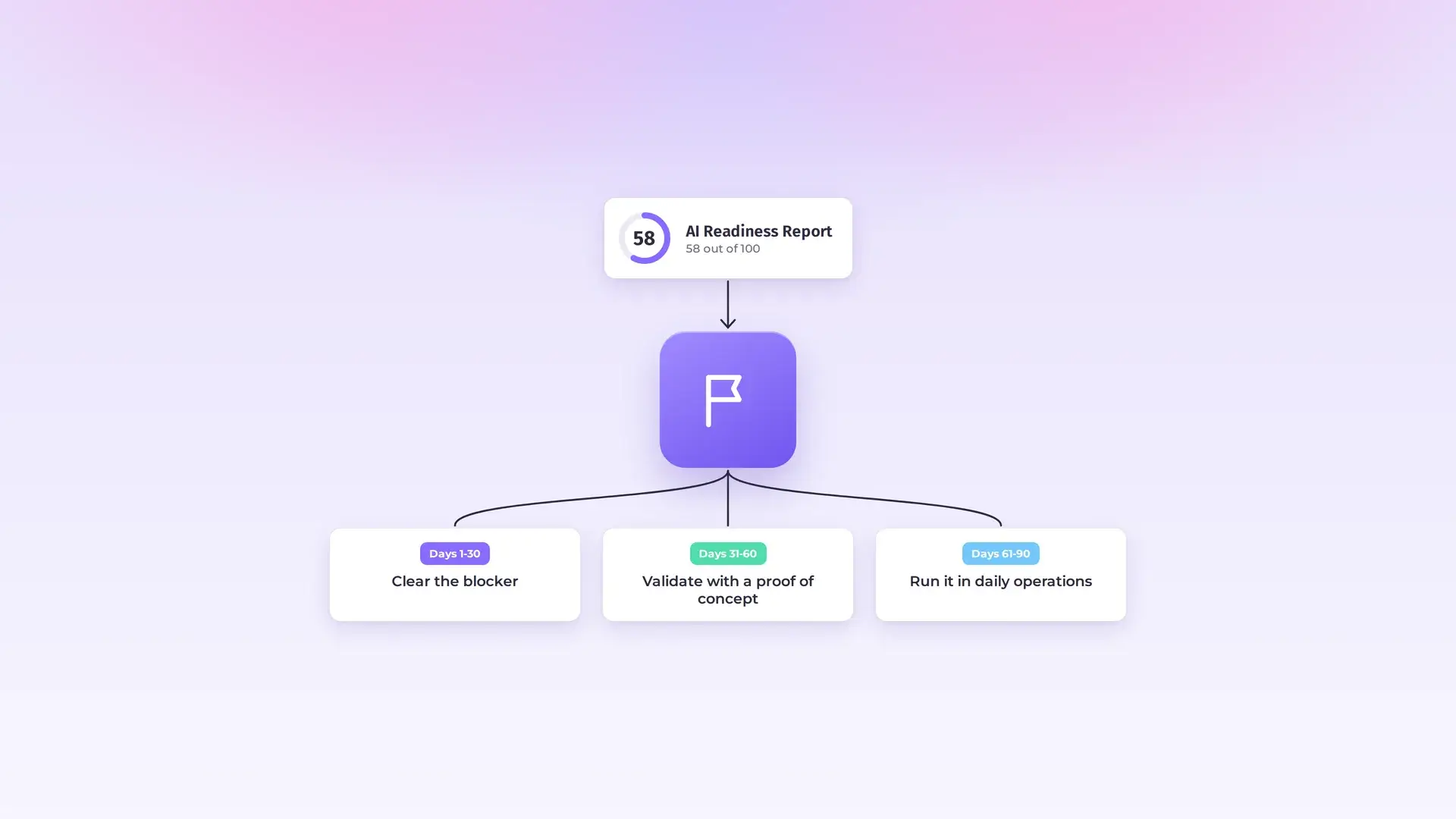
This is also why our approach to AI adoption starts before implementation. In our AI Adoption Roadmap: From Readiness to Results, we explain how companies can identify the right workflows, validate focused AI use cases, move from pilot to production, and scale only after the first implementation becomes repeatable.
Have a Claude use case in mind?
Tell us about the workflow you want to improve. In a short call, we’ll look at where Claude could fit, what it would need to connect to, and whether it’s worth testing first.
Ready to explore how this applies to your business?
Schedule a meeting with our team to discuss your goals and next steps.
Schedule a meetingClaude can be an important part of that process, but the model is only one part of the system that needs to work.
From Claude experiments to production AI systems
Adding “AI” to a company’s positioning can happen in an afternoon. Building the capability behind it takes much longer. It requires technical understanding, training, integration experience and repeated exposure to how production environments actually behave.
For our engineering team, the designation reflects hundreds of hours spent learning and preparing for certification, plus the experience gained implementing Claude in real projects. One of those projects is order flow automation for Meesenburg, built on the Claude API and running in production. In the Meesenburg implementation, 98% of processed orders required no manual modification.
A production AI system has to work with imperfect data, existing infrastructure, permissions, APIs and internal processes that were rarely designed with AI in mind. The engineering around the model matters as much as the model itself. That is the distinction we care about: not demonstrating what a model can do, but building a system a company can actually use.
From building to the specification to helping define it
Traditional custom software development usually starts once a company has defined the problem and turned it into requirements. AI adoption often needs us earlier.
The conversation may start with a bottleneck, a repetitive workflow, or a team spending too much time on work that could be handled differently. Before deciding what to build, we need to understand the process, where value is realistic, and how an AI system would fit into the rest of the organization.
For me, becoming an Anthropic Select Partner is the first visible step in repositioning Neurony from a custom software development company into an AI transformation catalyst. That does not mean leaving our engineering background behind. More than two decades of building software becomes more useful, not less, the moment AI has to work with ERP systems, internal applications and business rules that already run the company.
A milestone built by the team
A lot of people contributed to getting us here, and I want to thank the team for the time, effort and consistency behind it.
The designation is visible now, but most of the work behind it happened long before there was anything to announce. It happened across engineering, customer projects, Claude deployments, certification and the operational work of turning individual AI projects into a company capability.
The repositioning of Neurony is not finished. But this partnership makes part of that work visible outside the company, and it gives the organizations we work with another reason to trust that our Claude experience has been tested beyond our own claims.
Where to start
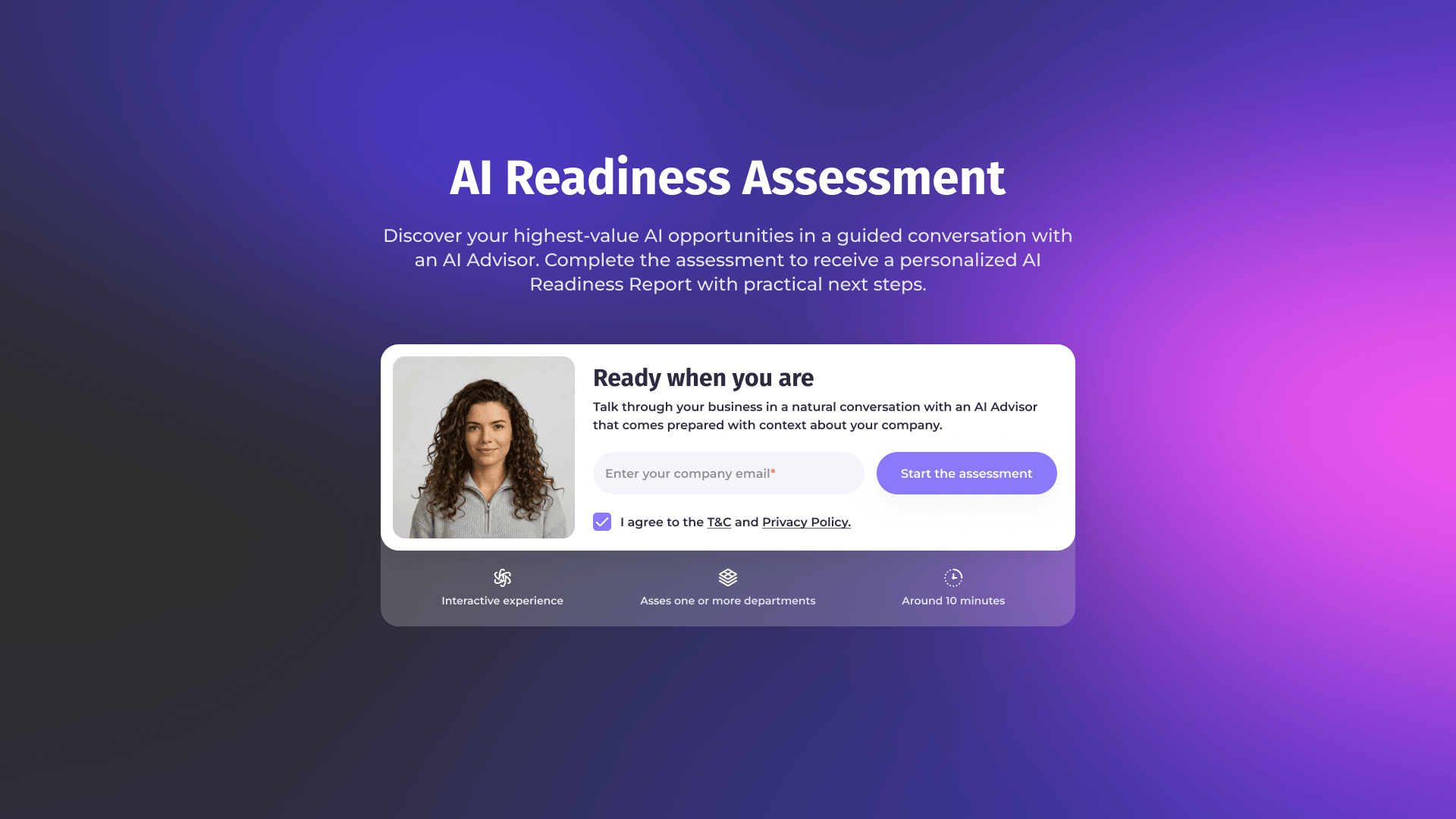
If you are evaluating where Claude could fit into your operations, the AI Readiness Assessment is the quickest way to find out. If you already have a workflow in mind, you can book a Forward Deployed Engineer diagnostic and work through it with one of our engineers.
Ready to explore how this applies to your business?
Schedule a meeting with our team to discuss your goals and next steps.
Schedule a meeting