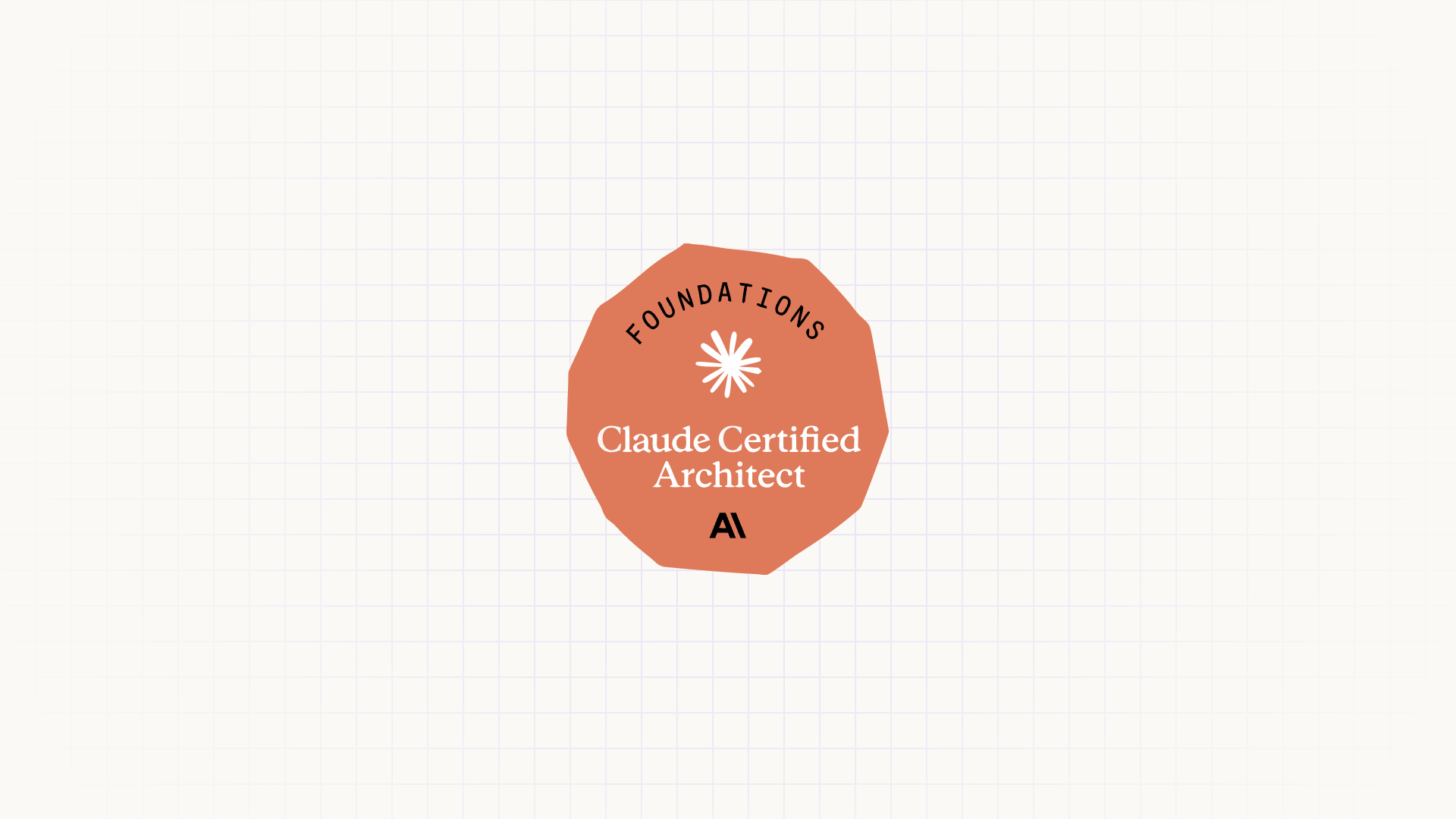








Ten Neurony team members are now Anthropic-Certified Architects. This milestone follows almost three years of building AI capabilities across the company. It reflects client projects, internal training, AI workshops, products, and new services.
We are still a software engineering company. AI has expanded what we build and how we help our clients. Today, our work includes AI Adoption Roadmaps, AI Worth Doing Workshops, Forward Deployed Engineer engagements, and AI Readiness Assessments.
Who Is Neurony?
Neurony is a Romania-based AI integration and software development company. We have been building software since 2004. Today, we help organizations identify valuable AI opportunities and integrate AI into existing systems and workflows.
Our services include AI-powered end-to-end AI integration, custom software development, AI strategy and opportunity discovery, system architecture design, workflow automation, and the development of production-ready AI solutions embedded into real business environments.
Our AI capabilities are built on that software engineering foundation. AI projects still require architecture, integrations, data, workflows, and reliable software. The new Anthropic certifications add another layer to the technical capability we have built over more than 20 years. We also maintain long-term partnerships of more than 20 years with international clients, built on trust, continuity, and consistent delivery.
Ready to explore how this applies to your business?
Schedule a meeting with our team to discuss your goals and next steps.
Schedule a meetingHow Did We Build Our AI Practice?
Our AI adoption journey started almost three years ago. We began by implementing AI inside real client projects. We wanted to understand where AI created value and where it did not.
Over time, that work grew beyond individual implementations. We started building AI knowledge across our own team and sharing what we were learning with others. AI became part of how we build, teach, and develop new services.
We launched REWIRED, our podcast about artificial intelligence. In this series, we explore how AI is transforming businesses, industries, and the way people work, and so far we have hosted 20 guests ranging from founders and engineers to executives who share real-world insights and experiences from implementing AI in practice.
We also started delivering AI training sessions for companies. This meant we were no longer only implementing AI for clients. We were also helping their teams understand how to use it in their own work.
In spring 2026, we launched Recrutopia. The recruitment brand combines AI with human expertise. It gave us another opportunity to apply AI directly to a real business model.
What AI Projects Has Neurony Implemented?
Neurony has implemented AI across different client projects and operational problems. We start with the use case instead of applying the same AI tool everywhere. One example is our work with Meesenburg.
In the Meesenburg implementation, 98% of processed orders required no manual modification. The solution runs on Claude API. This connects our practical implementation experience with the Anthropic technology behind this certification milestone.
The project also shows why AI implementation requires more than access to a model. AI needs to work inside real business processes. It also needs to connect with the systems and workflows companies already use.
Why Did We Invest in Anthropic Certification?
The certifications did not start our AI journey. They came after almost three years of client work, experimentation, training, and internal capability building. In recent months, we increased our investment in training our own team.
Today, ten Neurony team members hold Anthropic-Certified Architect certifications. Our internal training effort continues. The milestone strengthens the technical capabilities we are building around Claude and Anthropic technologies.
For us, the important part is not the certification alone. It is the capability behind it. We want the people working on AI projects to keep developing the skills needed to turn AI opportunities into systems that work in practice.
“In recent months we have invested heavily in training our own team, not just our clients, in order to build this team of 10 Anthropic-Certified Architects.”
Emil Muthu, CEO of Neurony
The milestone reflects the work our team has put into that transformation. It is one more step in building AI capability inside Neurony, alongside the work we already deliver for our partners.
What Does This Mean for Our Partners Working With Neurony?
Companies evaluating an AI integration partner need more than access to an AI model. They need people who understand software architecture, integrations, data, operations, and implementation. Neurony combines more than 20 years of software engineering experience with practical AI project experience.
Our Anthropic certifications now sit alongside that experience. They are part of a broader investment in AI skills across the company. The goal is to help our clients move from exploring AI to implementing it in real business environments.
That approach also shapes our AI Adoption work. We start by understanding the business problem and the processes behind it. Then we evaluate where AI can create measurable value and what needs to be in place before implementation.
Where Should a Company Start With AI Adoption?
AI adoption should start with the business problem, not the technology. Companies first need to understand which processes could benefit from AI. They also need clarity on data, systems, ownership, risks, and expected business value.
We help companies create that clarity before they commit to large AI investments. Our AI Adoption services include AI Adoption Roadmaps, AI Worth Doing Workshops, AI Readiness Assessments, and Forward Deployed Engineer engagements. Each one helps answer a different question about where AI fits and what should happen next.
From there, teams can make better decisions about what to test, build, integrate, or leave alone. The goal is not to implement AI everywhere. It is to identify where AI is worth doing and build from there.